DESCRIPTION
If anything at all, perfection is finally attained not when there is no longer anything to add, but when there is no longer anything to take away.
– Antoine De Saint-ExupéryThis is the first of three 2-week workshops in
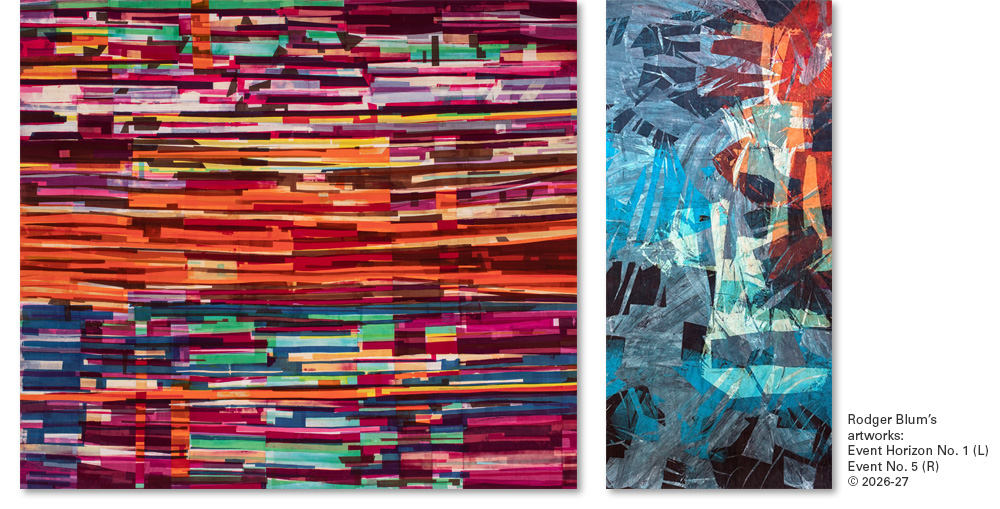
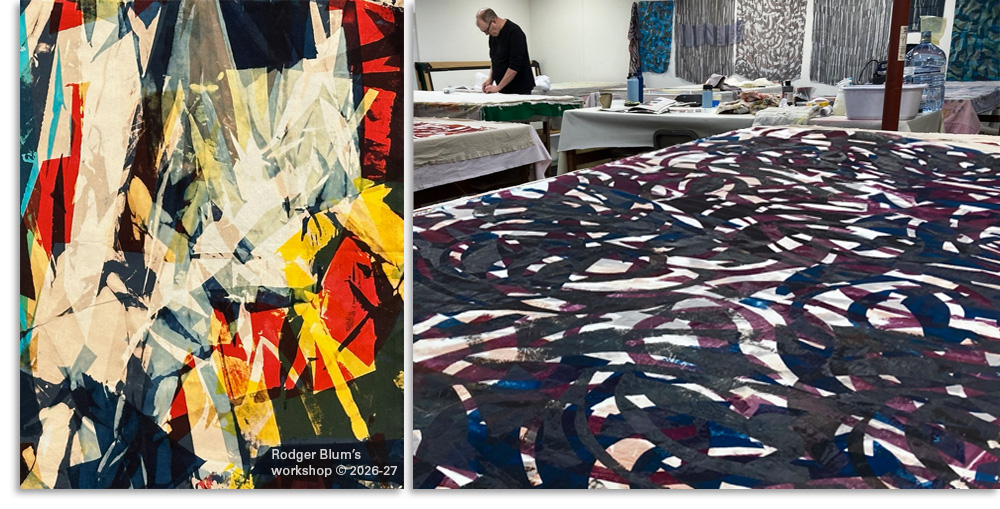
The Painted Quilt series. The work will focus on surface design techniques using Procion MX Dyes with a prepared screen to develop original textiles with depth and complexity.
A
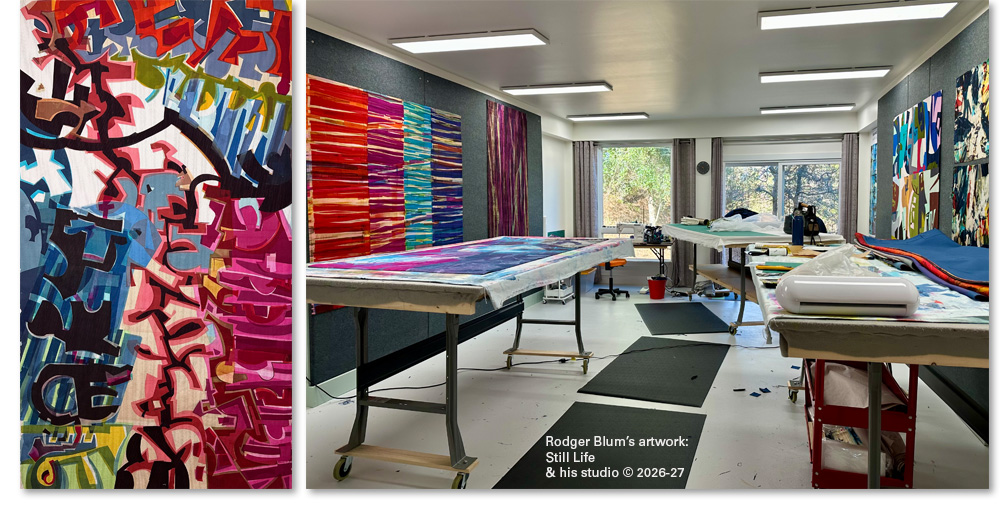
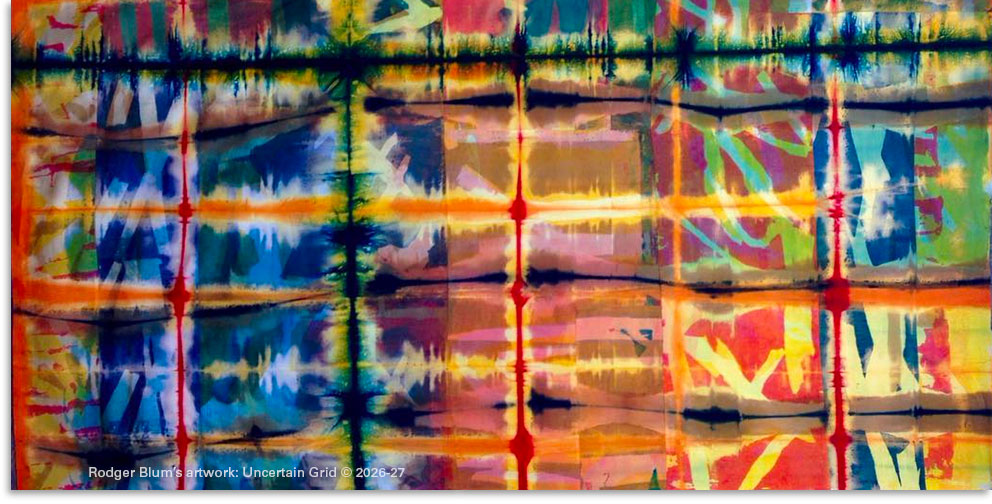
prepared screen is a silkscreen masked with nonpermanent materials, including wax, adhesive paper, paste, and dried dye, which can be altered while in use and degrade over time. Due to the transitory nature of the masking, the screen will be more flexible and expressive than a screen with an image photographically exposed on it. This is a “call and response” approach to making, where the results of each dye pull will influence motivations and ideas for subsequent pulls. Throughout this process, students will be encouraged to work with an improvisational mindset and to engage deeply with their compositions using a range of techniques.
During the two weeks:- Students working with a prepared screen will consider near repetition through changes in the masking as it is altered to create whole compositions, rather than patterning the textile.
- The first day of the workshop will focus on color mixing to create a shared palette of dyes for the workshop.
- The basic technical knowledge needed to work with Procion MX Dyes, including mixing thickened dyes, preparing the fabric, batching, and washout, will be thoroughly covered for those new to surface design with thickened dyes.
- Discharge will be introduced in the second week of the workshop. I consider discharge to be vital to developing complex, sophisticated artwork. But the materials can be hazardous if used improperly. Even though we will discharge outside with respirators, some students might have physical sensitivities that make discharge inadvisable and I will suggest alternatives to this step as needed. In all our work, health and safety will be paramount.
- Showing finished work: We will spend part of one afternoon sharing previously completed work. Bring 1-3 pieces that demonstrate your current way of making and your recent creative ideas. Please organize your thoughts and what you want to say about your work in advance, with specific questions (if any). Showing your work is optional but useful, as it helps contextualize it within the methods and aims of the workshop.
The most regretful people on earth are those who felt the call to creative work, who felt their own creative power restive and uprising, and gave it neither power nor time.
– Mary Oliver
SUPPLIES
(Please label your own supplies)
• Supplies PROVIDED with Materials Fee:
Dye and Auxiliaries: Upon arrival, students will be provided with a small amount of thickened dye in a range of colors. Students will learn to mix and restock their own dyes as supplies diminish. Everyone will be encouraged to share unused colors or mixed colors before they expire. Auxiliaries include sodium alginate, soda ash, salt, anti-chlor, monagum, etc.
Wax and Natural Brushes: We will be working with soy wax only. I will have a couple of pans for melting wax, but if you have your own, feel free to bring that along.
Tools: A small bag of tools will be provided to each student (Bondo scrapers, water-soluble pen, plastic cards, etc.)
Miscellaneous: The studio is equipped with a washer/dryer, industrial sinks, a good amount of rags and clean plastic, and a rotating collection of plastic spoons and small tubs. I will have some materials for masking screens, but you must bring your own tape (see below).
Fabric (for sale): See more fabric details below. I will bring a good amount of
Test 419M (a very good-quality cotton broadcloth) for sale at cost by the yard (cash or Venmo). I will also have a small quantity of soda-soaked fabric for sale. Precut and soaked fabric for the color exercises will be included in the Materials Fee.
• REQUIRED Materials - What You Need to Bring:
Undyed PFD Fabric: A lot! If you are productive, you could run through 10 yards or more. You don’t want to run out (but can certainly buy from me if you do). Fabrics that take Procion dyes beautifully include cotton, rayon, bamboo, linen, silk, or blends of any of those. If you are new to the process, I encourage you to work with PFD cotton broadcloth, which is also sturdy for discharge. This is what I work on 90% of the time and will sell at cost.
You
cannot use fabric that is synthetic or in the synthetic family (nylon, polyester, or acrylic). Additionally, you will not be able to dye on wool, wool blends, or any fabric made or blended with animal hair (i.e., cashmere, alpaca, etc).
Information on preparing and soaking fabric will be sent to everyone well in advance of the class. You are advised to come with fabric prepared for dyeing. We will keep vats for soaking fabric throughout the workshop.
Silkscreens: At a minimum, you need two
20” x 24” unprepared screens and one
8” x 10” screen.
More is better! Multiples are useful, as screens become “single use” after they are prepared, and you might not want to destroy your design for a few days.
I will put together a group order for screens to be mailed to the Barn before class. Information for that will be sent out with the fabric information and instructions well in advance of the class.
Dropcloths, 4’ x 8’: You will need at least two, so one can be washed as needed. A nice medium to heavyweight cotton drill is ideal, but anything without texture (which can transfer to the fabric during printing) will work.
Ordinary off-white/tan masking tape in 1”, 2”, and 3” widths. You may go through a lot of this, depending on how you work, so go for the cheap stuff.
Respirator equipped with an acid gas or multi-gas filter if you plan to do discharging (buy online or Lowe’s)
- This will work very well outdoors.
- If you are sensitive to bleach, you might want this, which comes with goggles.
- I discharge so much that I wear this. (I’m still trying to figure out how to wear glasses with it!)
Disposable gloves for working – dye stains are hard to remove from skin!
- These thin nitrile gloves are great yet tight-fitting, so they are hard to reuse and don’t last.
- These are good for larger hands, come off and on more easily, and last a long time. I’ll have a bunch to share with you.
- Extra-long kitchen gloves, like these (I use these).
• REQUIRED General Work Supplies You Need to Bring:
- Notebook and pen/pencil
- Blue tape in 1” width
- Rotary cutters:
45mm (I also find a
28mm size cutter useful) with extra blades and, if possible, a cutter for paper and another for fabric, since paper will dull blades faster
- Black Sharpie
- Fabric scissors and paper scissors (see note above in rotary cutters)
- Long pins: Long
pins with big heads work better than
T-pins - 8’ x 8’ piece of plastic (at least 3mm weight, heavier is better)
- Old clothes and/or a paint apron
• OPTIONAL Materials (What to Bring if Space Allows):
- Paper towels
- Old newspapers (we will go through lots, so bring as many as you have room for)
- Old cottage cheese or yogurt containers, small Tupperware containers WITH lids
- Around a dozen plastic spoons
- Any favorite squeegees, brushes, or other tools you might own
-
Dust masks for mixing dyes (I’ll have several of these, but you might not want to share!)
- Rotary cutting mat: These really don’t travel well. I will bring several to share, or you can share with a buddy, or use one of the grunge ones left behind in the dye studio at the Barn
Please note: For many items, I am including Amazon links. But most items can be found at Lowe's or other hardware stores. When possible, I try to buy from
Pro Chemical and Dye. They are a small, wonderful company that supplies dyers worldwide and will provide all of our dyes and auxiliaries.
If you have any questions about the materials list or the course in general, please
contact Rodger